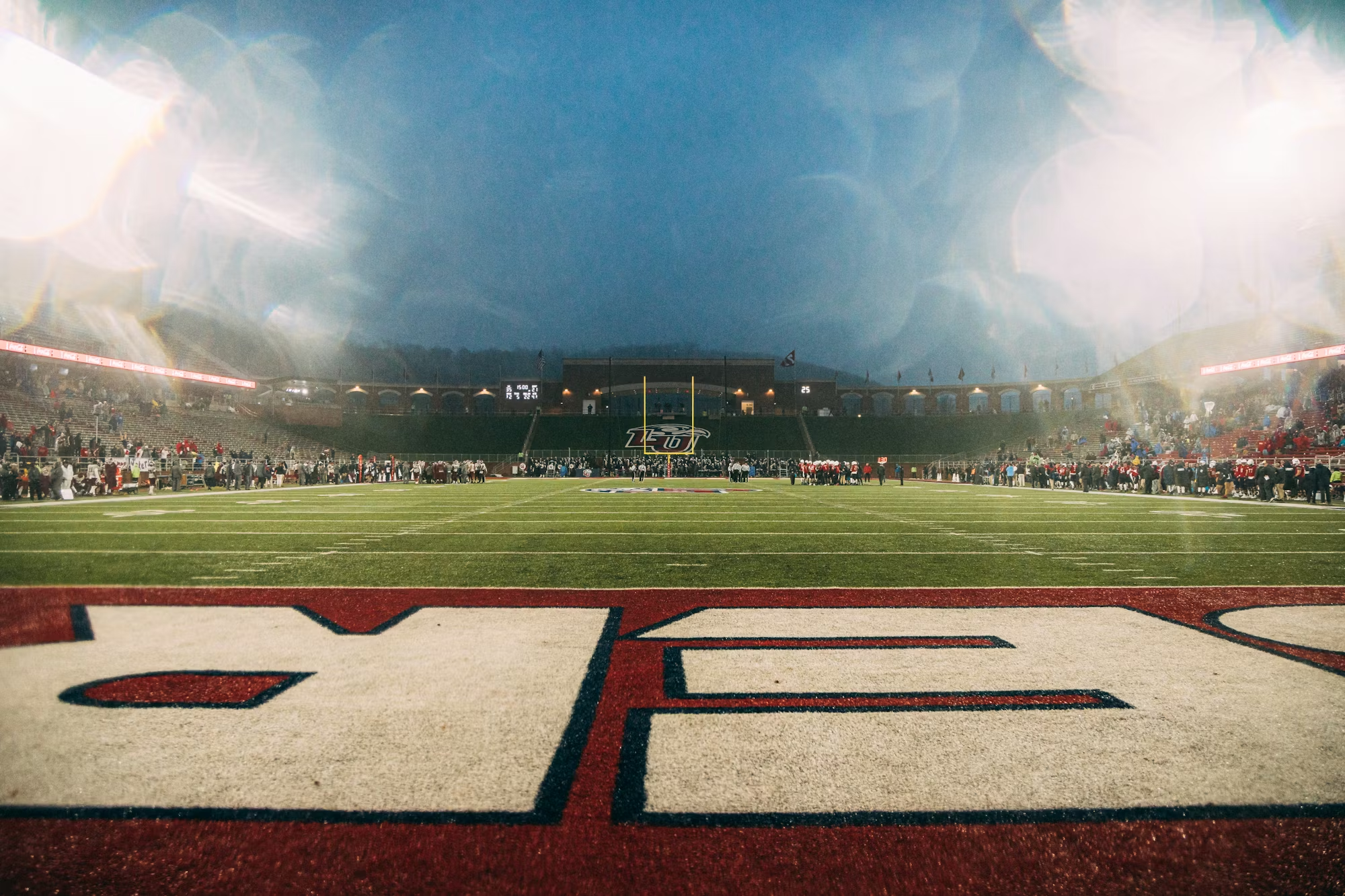
Major League Baseball (MLB) stands as one of the most iconic and storied professional sports leagues in the world. With its deep roots in American history, MLB not only showcases the athletic prowess of its players but also embodies the cultural significance of baseball as America’s pastime. This article delves into the structure of MLB, its playoff system, the prestige of the World Series, and the broader impact of the league on society and culture.
Structure of Major League Baseball is organized into two main leagues: the American League (AL) and the National League (NL). Each league is further divided into three divisions: East, Central, and West. This structure allows for a robust competitive framework, with teams facing off in a series of games throughout the regular season. The season typically runs from April to October, comprising 162 games for each team. This extensive schedule not only tests the endurance of players but also builds anticipation among fans as they follow their favorite teams through highs and lows.
One of the unique aspects of MLB is its designated hitter rule, which applies only in the American League. This rule allows teams to have a designated player who can bat in place of the pitcher, thus enhancing offensive capabilities and allowing for strategic play. In contrast, the National League requires pitchers to bat, adding a layer of complexity to the game that can influence managerial decisions and game outcomes.
As the regular season concludes, teams vie for a coveted spot in the postseason. The MLB Playoffs are structured to determine the league champions from both the AL and NL, culminating in the World Series. The playoffs consist of several rounds, starting with the Wild Card games, followed by the Division Series and the Championship Series. This elimination format heightens the excitement and tension, as teams face off in best-of-five or best-of-seven series, with each game carrying significant weight.
The postseason format also allows for compelling narratives to unfold. Underdog teams can make surprising runs, while established franchises often face high expectations. The playoffs serve as a platform for players to showcase their skills under pressure, leading to unforgettable performances and moments that fans cherish for years to come. The intensity of playoff baseball, with its dramatic pitches and pivotal hits, captivates audiences and creates a sense of community among fans.
The World Series, held annually in October, is the pinnacle of MLB competition. This best-of-seven championship series pits the AL champion against the NL champion, creating an event that attracts millions of viewers worldwide. The World Series is steeped in tradition, with iconic moments etched into the annals of sports history. Legendary players such as Babe Ruth, Jackie Robinson, and more recently, Derek Jeter and Clayton Kershaw, have all left their mark on this prestigious event, contributing to its allure.
The cultural significance of the World Series extends beyond the field. It is a time when families gather to watch games, friends host viewing parties, and communities come together in celebration of their teams. The World Series not only showcases the best of baseball but also reinforces the sport’s role as a communal experience that transcends generations. The impact of this championship can be felt throughout cities, as local businesses thrive during the excitement of the playoffs and World Series.
Moreover, MLB has also made efforts to engage with communities through various outreach programs and initiatives. From youth baseball programs to community service projects, the league recognizes its responsibility to give back. Programs such as MLB’s Play Ball initiative encourage children to participate in baseball and softball, promoting physical activity and teamwork. This investment in the future of the sport underscores the league’s commitment to fostering a love for baseball among young fans.
The integration of technology and analytics has further transformed MLB in recent years. Teams now utilize data-driven approaches to evaluate player performance, develop strategies, and enhance overall team success. The rise of sabermetrics has changed how teams build rosters and make in-game decisions, leading to a more analytical understanding of the game. This evolution has sparked debates among traditionalists and modernists, but it reflects the league’s adaptability in a changing sports landscape.
The Global Reach of MLB is another testament to its significance. While deeply rooted in American culture, baseball has garnered a passionate following worldwide. The league has expanded its reach through international games, showcasing the sport in countries like Japan, Mexico, and the Dominican Republic. These initiatives not only promote baseball but also celebrate its global nature, allowing fans from diverse backgrounds to engage with the game.
The cultural impact of MLB extends into popular culture as well. Baseball has been celebrated in films, literature, and music, often symbolizing broader themes of perseverance, hope, and the American spirit. Movies like “Field of Dreams” and “The Sandlot” capture the essence of baseball’s role in shaping identities and communities. The sport’s narratives resonate with audiences, illustrating the emotional connection many fans have with the game.
In conclusion, Major League Baseball is not just a professional sports league; it is a cultural phenomenon that impacts lives, communities, and the broader society. Its structured format, exciting playoffs, and historic World Series contribute to its status as America’s pastime. The league’s commitment to community engagement, combined with its global outreach, ensures that baseball remains a cherished tradition for generations to come. As MLB continues to evolve and adapt, its legacy as a pillar of American culture will undoubtedly endure, inspiring future players and fans alike.